

Category
Level
Price
Language
Rating
12 Courses are found
 Beginner
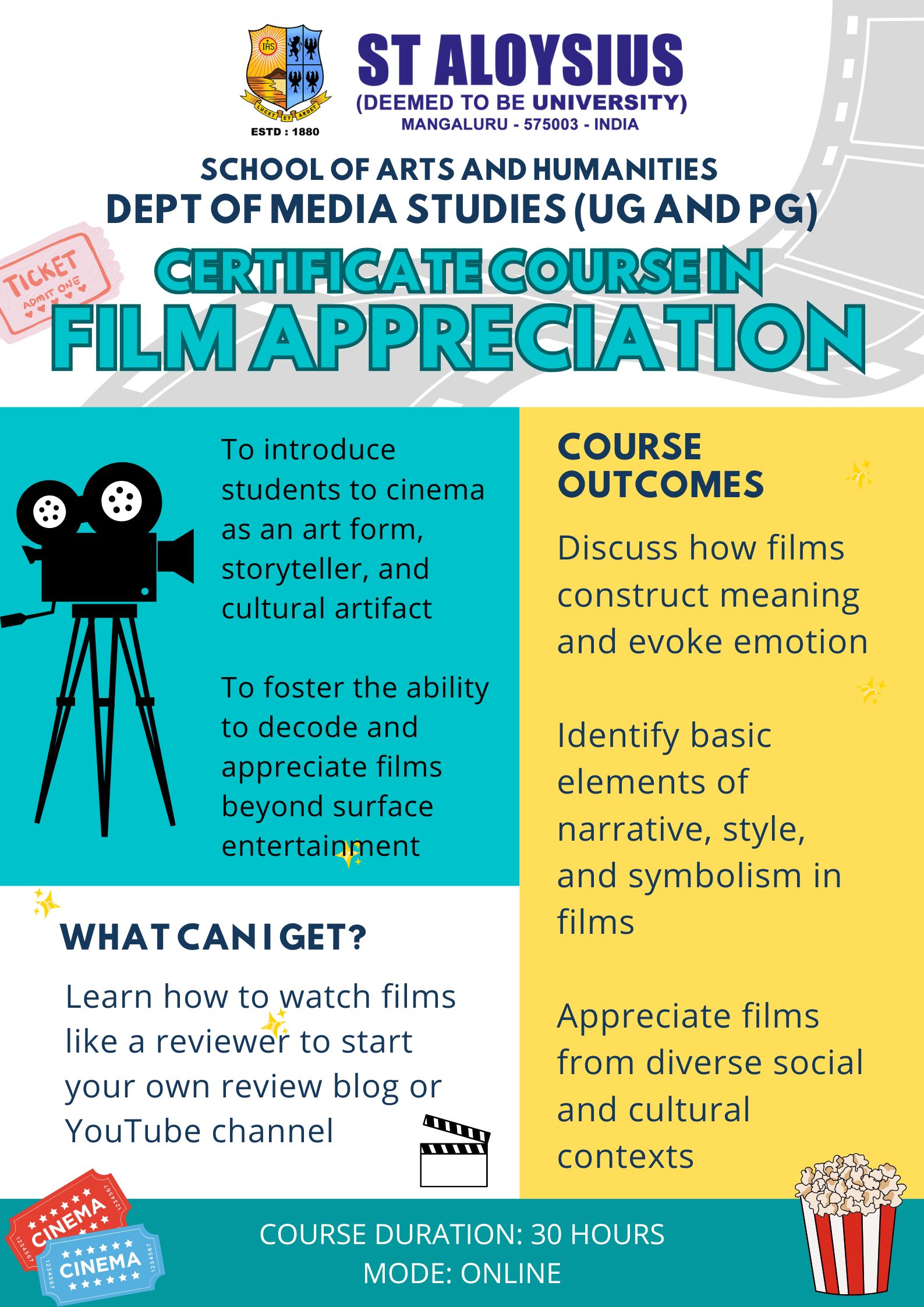
CERTIFICATE COURSE IN FILM APPRECIATION
ObjectivesTo introduce students to cinema as an art form, storyteller, and cultural artifactTo foster the ability to dec...
 Beginner
MASTERING SOFT SKILLS
The Department of History is proud to offer an offline Certificate Course in Soft Skills, designed to equip learners wit...
Beginner
AI for All: Build Smarter Without Coding
Beginner-Friendly Certificate Course | Duration: 30 Hours | No Coding Required
Beginner
NextGen Digital Office Skills
This course aims to develop the next generation of digitally fluent students by equipping them with essential skills in...
 Beginner
Visual AI Content Generation
Visual AI Content Generation is a beginner-friendly certificate course that focuses on how to thoughtfully use AI as a c...
 Beginner
INTERNATIONAL BUSINESS
This course, " INTERNATIONAL BUSINESS," offers students a comprehensive exploration of economic diplomacy. Over 30 hours...
 Beginner
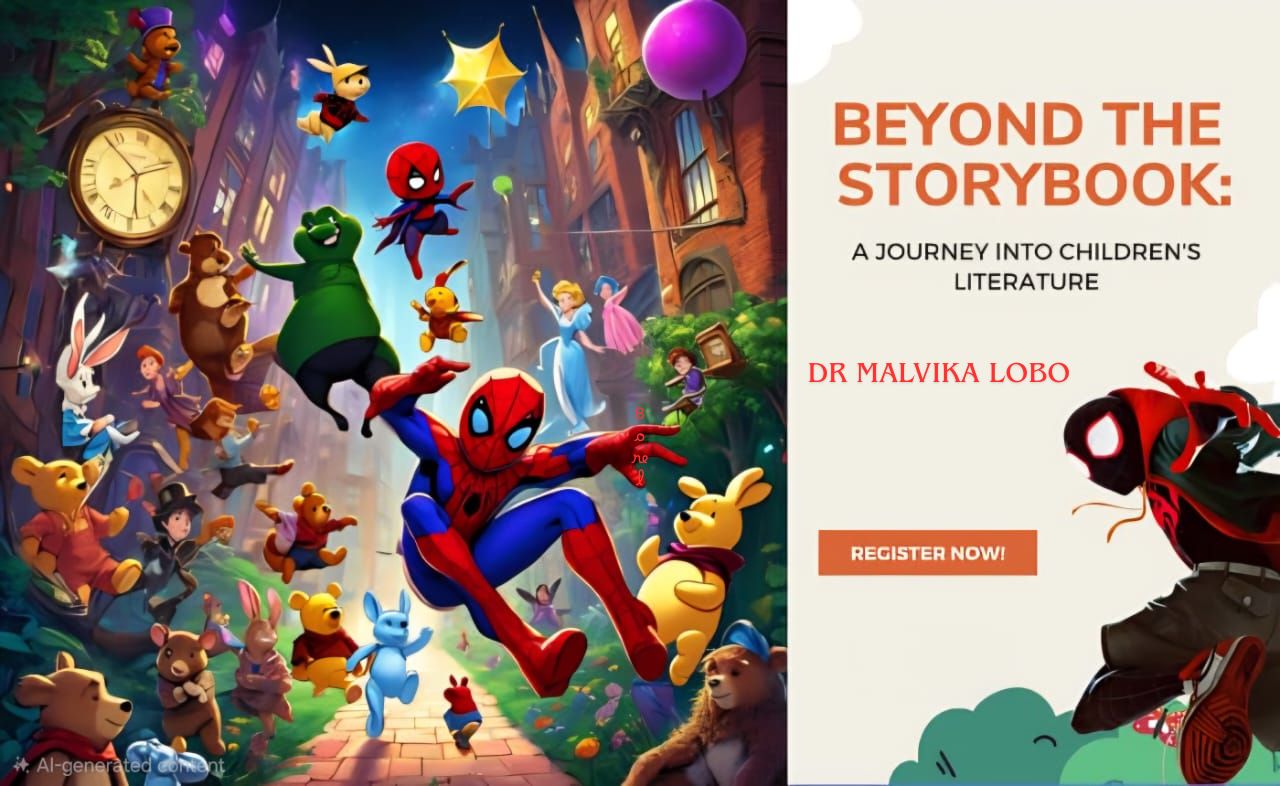
Beyond the Storybook: A Journey Into Children's Literature
Beyond the Story Book: A Journey into Children's Literature explores classic and contemporary works written for young re...
 Beginner
SamrtBiz Yatra:समार्ट सोच
MODULE I: पर्यटन का परिचय (10 HOURS)Introduction – Definition, meaning, scope and concept of Tourism - Types of Tourism,...
 Beginner
APPLIED BUSINESS RESEARCH METHODOLOGY
In today’s data-driven business environment, the ability to conduct systematic research is a critical skill for decision...
 Beginner
BEGINNERS GUIDE TO MODERN MARKETING
This certificate course serves as a foundational bridge between classical marketing theories and the dynamic world of di...
 Beginner
Perfume Chemistry - From Molecules to Market
Objectives: Perfume chemistry: from molecules to market is a 30 hrs online certificate course. It aims to train studen...
 Beginner
INTRODUCTION TO MOLECULAR DIAGNOSTIC TECHNIQUES.
This course introduces the principles and applications of DNA amplification, molecular markers, and marker-assisted sele...
Shopping Cart
Loading...